
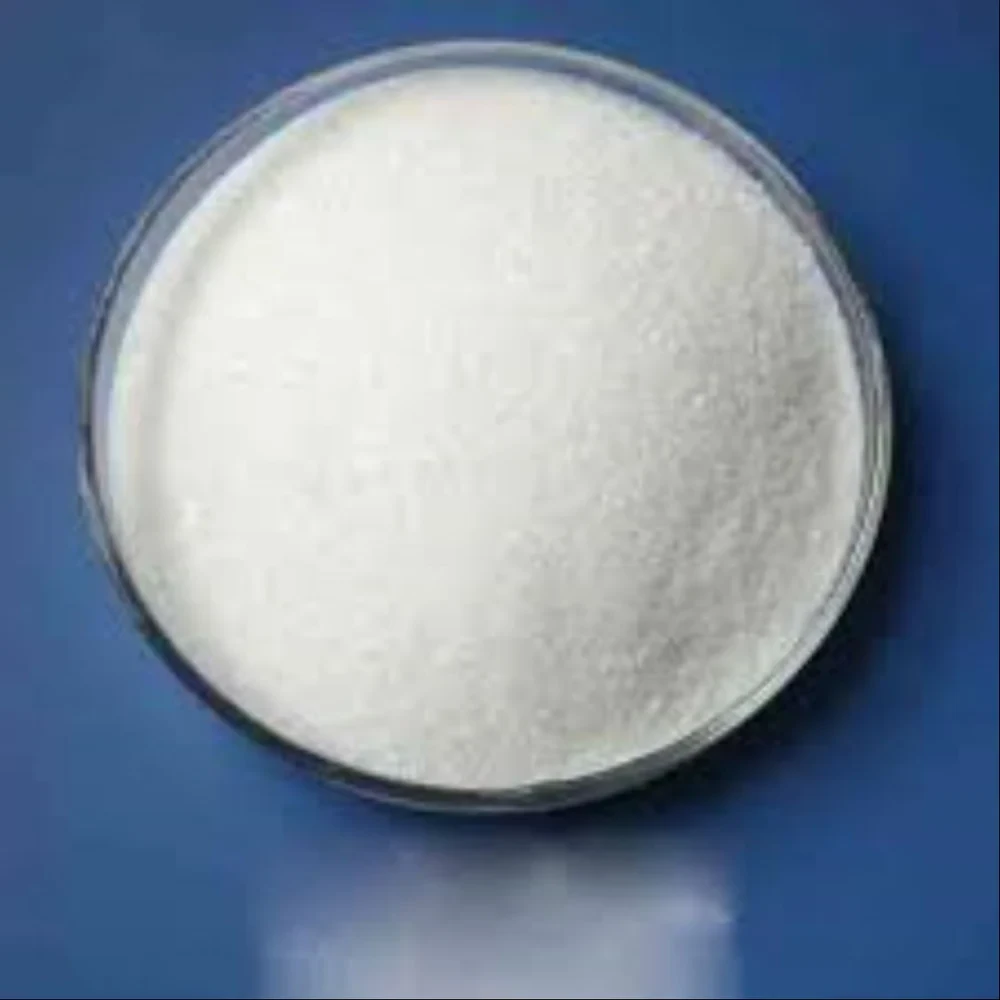
Dextrose Monohydrate BP
Dextrose Monohydrate BP is the crystalline form of D-glucose containing one
molecule of water of crystallization. It appears as a white, crystalline powder
with a sweet taste and is freely soluble in water. As a simple sugar
(monosaccharide), it serves as an essential energy source in pharmaceutical and
clinical nutrition products. Dextrose Monohydrate is commonly used in oral
rehydration salts (ORS), intravenous (IV) fluids, tablets, syrups, and as a
nutrient in fermentation and culture media. The British Pharmacopoeia (BP)
ensures its quality, purity, and safety for pharmaceutical use.
British Pharmacopoeia (BP) Specification for Dextrose
Monohydrate
- Description:
White, crystalline powder; odorless and sweet in taste.
- Solubility:
Freely soluble in water; sparingly soluble in ethanol (96%).
- Identification:
- Infrared
absorption: Matches reference.
- Chemical
tests: Confirms presence of glucose.
- Appearance
of Solution: Clear and colorless (typically a 10% w/v aqueous
solution).
- Acidity
or Alkalinity: Passes test (pH within BP limits).
- Water
Content: 7.0% to 9.5% (indicates presence of one water molecule).
- Sulphated
Ash: Not more than 0.1%.
- Specific
Optical Rotation: +52.5° to +53.3° (for a 10% solution at 20°C).
- Foreign
Sugars: Should not be present in significant amounts.
- Barium,
Chloride, Sulphate: Within BP permissible limits.
- Heavy
Metals: Not more than 5 ppm.
- Microbial
Limit: Complies with BP standards if used in oral or parenteral
products.